Since Caron has allowed us to remain on the issue of fine arts for the week, I decided to explore a little more on the definition of "fine art." As noted in several previous posts, it seems to be the general consensus, at least for most of the class that art is something that we ourselves could not do. Allow me, if you will, to offer a different perspective.
My personal opinion when it comes to the matter of what is art, is that beauty is in the eye of the beholder. I believe that if even one person believes it to be art, even if that person is the actual artist, then it is in fact art. But then again, maybe I am just the eternal optimist who loves to give everyone the benefit of the doubt. Maybe not every painting or sculpture is art.
I understand that by my definition, everyone is an artist. Some may scoff at this way of thinking. But when you really think about it, maybe it’s not a bad thing. Everyone is an artist in their own way, because after all, we are all unique in some way. So if we are willing to use our potential to create, we can do wonderful, magnificent things.Great ideas have come when people venture to do something new, something unique that has not been done before. Take the women’s rights movement for example. When it was first discussed that women should have the right to vote, people sneered at the idea. It was absolutely absurd to them. Now look at where women are. A woman was running for the office of president in the last election. I think the same concept applies to art. Someone may look at a painting and see no value to it, but who knows what someone will think fifty years from now? So who are we to judge what art is? This is why I think that a definition cannot be placed on the term, “art.” Perception is always changing; therefore our definition of art is always changing, both from an individual stand point and as a society.
While Van Gogh’s work was not deemed to be fine art at the time when he painted it, now we view him as one of the greatest artists of all time. I think that we can all say something is art, but none of us have the right to say that something isn’t art. Art is a matter of opinion, not fact.
Thursday, February 19, 2009


Keep thinkin' art!!
A few of you got into the mix a bit late on the art discussion, but you've certainly provided some thoughts to ponder about this whole element of the paradox of affluence and its relationship to art. And your commentaries about the Michael Wesch video were right on the mark -- so Nick, are you sure you don't want to do your project on Education? :) A lot of people agree with all of your sentiments -- but just how do we effect change ... a massive, cultural shift -- with something that is so entrenched in its delivery method?
You have posted intriguing works of art and some great contributions to the blog. I'd rather us go with your thoughts and direction rather than mine, so feel free to add more. I'll steer us back if the discussion gets too far off the map. Jordana and Ryan -- I thought your additions were particularly intriguing as well. Good commentaries, everyone.
For me, I suppose I have always associated the fine arts (plays, opera, art, classical music) with affluence and culture. Because these works have not historically been available to the masses, I simply have maintained that historical connection. In Springfield, for example, tickets to the works of fine art are not inexpensive. However, you'll find many works produced on outdoor stages in summer where anyone can stumble upon them -- arts in the parks are not so uncommon in larger metropolitan areas. We will randomly get them -- but too often it's the movie being shown on an old wall of a downtown building than a play being performed. I am a fan of the arts, and I will try to see any play I can, whether it's at the Little Theater or JKH Hall for the Performing Arts or in St. Louis or New York or London. I make an effort to go. I try to hit every First Friday Art Walk I can because of the College's affiliation [Gillioz exhibits] as well as the exposure of and support for our local artists.
They are good for my soul.
Wednesday, February 18, 2009
Art and Affluence
A little late, but I still wanted to share a few thoughts about art and affluence.
I want to focus mainly on two artists that I feel give great examples about the relationship of art and affluence, Leonardo da Vinci, and one of my favorite artists, Alex Grey. First off, I want to talk about Leonardo Da Vinci and his duel role as an artist and scientist during the Renaissance era. Leonardo himself reflected the times of the Renaissance which itself was an abundant period of knowledge and art. Leonardo, using his artistic skills and scientific knowledge documented numerous discoveries from his studies. Leonardo helped further human understanding of various scientific fields such as anatomy, aerodynamics, hydraulics, meteorology, and geology. I cannot help but notice how much of his work would have advanced the idea of textbooks themselves with the use of pictures and text, which helped explain his findings and possibly allowing others to pick up from his work and create a greater abundance of knowledge and art themselves.
I want to focus mainly on two artists that I feel give great examples about the relationship of art and affluence, Leonardo da Vinci, and one of my favorite artists, Alex Grey. First off, I want to talk about Leonardo Da Vinci and his duel role as an artist and scientist during the Renaissance era. Leonardo himself reflected the times of the Renaissance which itself was an abundant period of knowledge and art. Leonardo, using his artistic skills and scientific knowledge documented numerous discoveries from his studies. Leonardo helped further human understanding of various scientific fields such as anatomy, aerodynamics, hydraulics, meteorology, and geology. I cannot help but notice how much of his work would have advanced the idea of textbooks themselves with the use of pictures and text, which helped explain his findings and possibly allowing others to pick up from his work and create a greater abundance of knowledge and art themselves.

And of course, what better example of fine art than the Mona Lisa?

As for Alex Grey, I will briefly explain since I feel his work speaks for itself. Alex Grey is very much considered a New Age artist for his psychedelic, spiritual art. I mainly wanted to throw him in here for producing one of my favorite pictures of all time, Gaia, which I feel speaks volumes in respect to one of the many examples of the paradox of affluence.

Tuesday, February 17, 2009
Art=Feeling
I hope I'm not to late to jump into this conversation but I'm going to through in my two cents anyway. I have got to side with Jordana on this one, "it's art if I couldn't have done it myself." Brilliant! I love this definition. the fact that Britteny Spears and Justin Timberlake can be considered "Artists" is an insult to art. I have to admit that don't have the same ability to sing, but then again i don't consider what they do "singing". Britney and Justin "recite" lyrics, there's no singing involved. To me singing implies having an underlying connection and feeling for the words that come out of your mouth, and when other individuals write most of your lyrics all you have are dancing monkeys. OK so maybe that's harsh, but i don't like soiling the name of art by including individuals who are as much a product as they are an artist. Truly great artist don't make their work for the masses, they create what means something to them. The transmission of that feeling to the page, canvas,stage, etc. is the process by which art is created. If the end result of that process come out having universal meaning, then and only then is it art.
Sunday, February 15, 2009
That [Research] Thing You Do!
Oh, now THIS blog is going to be interesting. I started it under the guise of defining, explaining, exploring, etc, your whole research background, but that sounded absolutely boring and disastrous even to me, so I'll adapt that a bit. Since Corky is visiting us Wednesday, use this blog to at least consider the role of research in your project. Once Corky visits, I hope you'll have a better understanding of how to implement the research for the project. So for this blog, remind us of your topic, review the issues associated with that topic, and then consider the role of research for your project as well as your paper that is associated to your project. Reminder: the paper is not due until the end of the semester. There will be a summary & proposal due the week of your presentation. More on this later... but we need to be reminded of the presentations and consider them so they won't overwhelm us when they are upon us.
See you Wednesday -- Corky visits. We'll chat Friday.
Caron
See you Wednesday -- Corky visits. We'll chat Friday.
Caron
Fine Arts...
What exactly defines fine art? Well, to me each person has their own idea of what is "art" and what is not. Art is made from us, the people who create it and the audience can choose to appreciate it or not. We all have different thoughts, opinions, and ideas about what "art" should be, but what truly matters is what is aesthetically pleasing to us and nobody else. What is the point in arguing what is "art" and what isn't because there is no technical definition. Art is simply a form of expression, and we all go about expressing ourselves in different ways. You can't critique "artwork" in a sense that won't limit the level of creativity to some extent. I think that we oftentimes associate fine arts with fancy paintings and intricate sculptures but we tend to forget that art can be anything...and it is everything. This is where the paradox of affluence comes in... When i say "art" what is the first picture that pops into mind? Ok, now was that artwork considered to be a "masterpiece"?
I guess my point is this. The fine arts may be influenced by the affluent, but they can be appreciated by anyone, no matter how affluent they are. It all depends on what we find to be "affluent" with expression. I love this piece...

I guess my point is this. The fine arts may be influenced by the affluent, but they can be appreciated by anyone, no matter how affluent they are. It all depends on what we find to be "affluent" with expression. I love this piece...

Saturday, February 14, 2009
Okay, I've been struggling with this one all week. Here goes.
When I think of "the fine arts" I think of plays, symphonies, and artwork held in museums. As far as I can tell, these are the arts that are less focused on in our modern age. We have recognition for them, of course, and teach about them in schools- Shakespeare, Beethoven, Picasso- these are all names we are familiar with, but it seems to me that they fall into this category of "fine arts" that can possibly never be lived up to by anyone from our time (the only possible exception I can personally think of is Phillip Glass). Plays have been replaced by movies, symphonies by Britney Spears, and apparently anyone with a shoelace and some glue can be an artist. Movie stars are some of the most affluent people in existence while even the most talented and renowned Broadway actors earn a fraction of a movie star's pay for their work...but I don't consider movies "fine arts." Same goes for the hit list musicians. I guess when it comes to affluence and the fine arts, what strikes me is that these artforms are nearing extinction. They are no longer creating or perpetuating affluence as they once did, and they seem now to be something that needs saving rather than a tool in advancing society. Affluence in the arts now exists with the movie stars and hit list musicians, which is an inevitable product of our post-industrial society, but it lacks much of the substance of the older, finer arts.
As far as actual artwork goes, my rule is pretty much that it's art if I couldn't have done it myself. I play music- there are many songs that I can reproduce, but I am absolutely not a painting/drawing/sculpting artist. Throwing pieces of sheet metal on top of each other is not art...because I could've done that.
On a completely different note, here is a shadow puppet theater from across the globe. Although materially primitive, I consider this to be fine art from people who are rich in values more than money. (I don't know if this will work, though, so if it doesn't here's the link: http://www.youtube.com/watch?v=YVN-Df2Hatc )
Thursday, February 12, 2009
Relationship of Art and Affluence
In the course of history, I think art had a big part in showing affluence. In the Renaissance era, if a person owned art they were wealthy and affluent. Popes, Kings, and Queens began to commission artist's to do work for them both personally and for public establishments. They did this because it was not only beautiful, but it was a symbol of affluence. And without the affluence of these individuals, works like the Sistine Chapel, the pyramids, and the Taj Mahal would probably never have been completed. Most artists were poor and would have had little means to complete the afforementioned.
Throughout the years though, as Denea noted, art has become something for the common man. It is no longer as expensive as it once was, which in my opinion means it is not as associated with affluence as it once was. That is, the possession and creation of great art is not as associated with affluence as it once was. However I do think affluence influences whether or not art is considered fine art. Put simply, I believe that if affluent individuals say that something is fine art and worth consideration, people are much more inclined to pay attention to and buy such art. Afterall, I'm no art expert, so if someone tells me that "Black Square" by Kazimir Malevich is fine art, I suppose I'm inclined to believe it. (And as a side note...it had to have been a significantly affluent individual who deemed "Black Square" fine art, because I just don't see it.)
Affluence has and will continue to influence art, but as years go by it will likely influence it in different ways then we have experienced thus far.
Take a look at Kazimir Malevich's "Black Square":
http://imagecache2.allposters.com/images/pic/AWI/AW2070~Black-Square-Posters.jpg
Affluence and Fine Art
Although many works were influenced by the affluent, many are not. If we look to the roots of fine art, we find cave dwellings and songs created by nature. It is thought that the first song was created by someone simply tapping a stick on a log or tree. These works could easily be created by the non-affluent. Same goes for today. If we want to create a song and sing it we can. For the most part, creating art is cheap in today's world, although affluence still helps. The affluent that effect today's art include producers, record labels, theatre owners, ect. Although creating art may be cheap, putting it into action and spreading your ideas are not. The affluent help will this. Someone could afford to write a play, but affording the set design, costumes, actors, ect. is another story. I feel that art is something that anyone can create, rich or poor. Haven't you heard of artists being referred to as, "The starving artist"?


Wednesday, February 11, 2009
Ethnographic Studies at K-State with Michael Wesch
Check out this professor's site. At the site, make sure you are in the "Video Showcase" part of the site, and then scroll to "A Vision of Students Today." If you type that into YouTube, I think the video will pop up.
So... view this, review any of Dr. Wesch's other videos if you're so inclined, and think consider the state of higher education and how it might adapt to students in 2009. With this in mind, how does affluence affect education? Are you sure none of you wants to pick up the Education topic of Affluence? ...
The YouTube link is http://www.youtube.com/watch?v=dGCJ46vyR9o.
Continue to post your thoughts about the paradox of affluence in light of fine arts, but also consider this through the lens of education over the next few weeks.
Thanks.
Caron
Tuesday, February 10, 2009
The Fine Art Paradox
When looking at the subject of fine arts, I would definitely say that the definition very subjective. Sure, we can say that fine art is anything such as sculpture, painting, music, architecture, etc. that is created for beauty rather than utility, but who says what is beautiful? By this definition I could pile some of my garbage in the corner of my apartment, and claim I put it there, because I thought it looked pretty. Well, according to the definition, my pile of trash is fine art. Determining the worth of fine art is not very simple. Whereas money is easily counted, art is truly based on opinion. Is a painting of a can of soup considered a beautiful masterpiece? Apparently it is to some, judging by the popularity of this Andy Warhol painting. Maybe I can paint a picture of laundry detergent and become the next great artist. Surely someone will think my work is fine art. :D
Now that I have done nothing to help determine what is considered fine art and what is not, let's move onto the issue of art and affluence. I think it is very easy to see just how intertwined the two are. Take for example the Baroque architecture of the 17th century. Baroque architecture were typically very elaborate or ornate. This showed a lot of affluence. This very famous style of architecture was constructed mainly in places that reflected affluence such as the Palace of Trier in Germany and Ludwigsburg Palace which is also in Germany.
Finally, it is time to discuss the paradox of affluence as it relates to fine arts. I do think there is definitely a paradox. The way I see the paradox existing is in the fact that a piece of art that is nothing more than scrap metal from a junk yard and a painting that costs thousands of dollars to produce are considered equal. You would expect that the painting would be seen as being of higher value, but the sculpture of scrap metal is just as valuable to some people. Once again a "statement that is seemingly contradictory or opposed to common sense and is perhaps true." PARADOXES ARE EVERYWHERE!...even in the arts. :D
One final thought....
I found this video on Youtube. Musical roads...fine art?
Sunday, February 8, 2009
Week of 2/8 -- Fine Arts
So... the paradox of affluence. Just what is this? Here are some discussion questions regarding the area of Fine Arts within this paradox:
These are from the "Fine Arts" section of the Discussion Questions from the PTK site. These help generate some ideas and thoughts. What are your considerations of the Fine Arts? Do you consider yourself a patron of the arts? Why or why not? How do you define the fine arts, and in doing so, how do you see a paradox of affluence as associated with this particular industry? Does one exist? Brainstorm / play around with these ideas -- post photo collages or videos of your experiences with the fine arts: what plays have you seen? In what locations? Have you attended the ballet? The opera? What are your perceptions of those arts?
See you Monday... be thinking about these. Let's simply discuss some of these ideas this week.
Enjoy your Sunday evening. So do the Grammy's fall under the Fine Arts???? ;) I'm getting some great exposure to the musical arts at the moment...
Caron
- What has been the relationship between affluence and the development of great art? How has the development of the terra cotta warriors, the pyramids, the sculpture of David, the Sistine Chapel, the Taj Mahal, "The Four Seasons", and the works of Shakespeare been influenced by wealthy or powerful patrons?
- How does affluence affect the standards and evaluation of the fine arts? How does the democratization of art ownership influence the standards and evaluation of the fine arts?
- How was the science of human gross anatomy influenced by the artists of the Renaissance? In what ways did this contribute to the development of modern medicine?
- Who are the great arts patrons of the 21st century? How did they earn their money? To what extent are museums and theatres obsolete in contemporary society?
- To what extent is it desirable to have sports stadiums and arts facilities named for businesses? What are the benefits of having businesses set aside a percentage of their budgets to purchase fine art for their headquarters?
These are from the "Fine Arts" section of the Discussion Questions from the PTK site. These help generate some ideas and thoughts. What are your considerations of the Fine Arts? Do you consider yourself a patron of the arts? Why or why not? How do you define the fine arts, and in doing so, how do you see a paradox of affluence as associated with this particular industry? Does one exist? Brainstorm / play around with these ideas -- post photo collages or videos of your experiences with the fine arts: what plays have you seen? In what locations? Have you attended the ballet? The opera? What are your perceptions of those arts?
See you Monday... be thinking about these. Let's simply discuss some of these ideas this week.
Enjoy your Sunday evening. So do the Grammy's fall under the Fine Arts???? ;) I'm getting some great exposure to the musical arts at the moment...
Caron
Friday, February 6, 2009
Inside - Out
I felt that the story about the way that him and his wife viewed their son was very interesting. Here are a few points that I liked:


We feel that everyone should be the same in our cookie-cutter world.

Parents tend to expect and demand too much from their children that they end up being overprotective and controlling.

You can hit a "home-run" when you sit back and let others find their own identity.

It's all in the way that you perceive the situation.
Half empty or half full?

Thursday, February 5, 2009

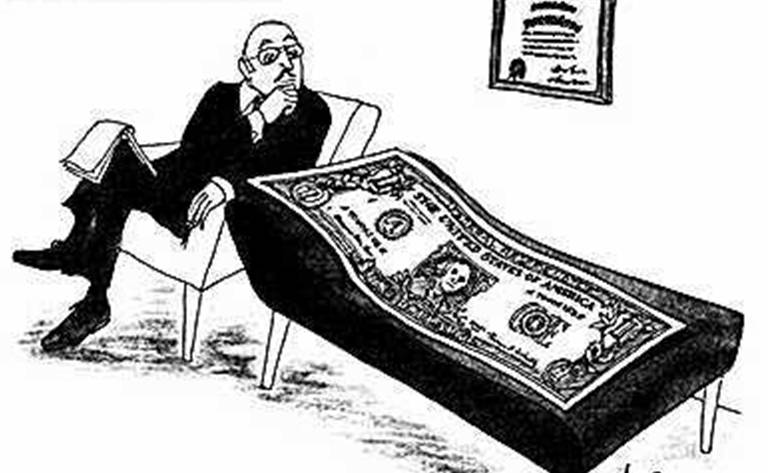

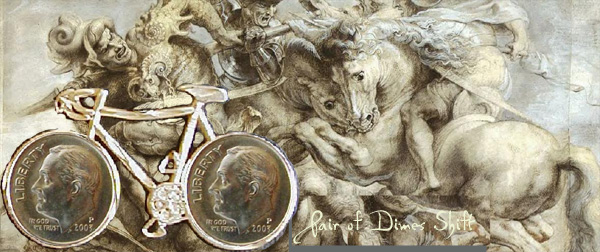
Wednesday, February 4, 2009


Tuesday, February 3, 2009


Sunday, February 1, 2009
Sunday Night Blog -- I'm not happy!!!! GRRRR!!!!
OK... this is the third attempt for the blog, so I'm going to be quick. Mental note: do NOT attempt to post to blogs during the Super Bowl. Especially when the Vegas bookies are losing...
SO... here's what I'd like us to do on the blog this week. Post anything related to the 7 Habits. The other blog writings were much more elo quent and detailed, but here's what I'm thinking. In this section I'm reading and presenting to you tomorrow, I have found the paradigm shift metaphors and concepts to be intriguing. The entire first summer of the doctoral program was about understanding the power of paradigm shifts. So... I am going to post some graphics -- well, a graphic because of this silly football game -- that shows the power of the paradigm shift from the individual to a culture to an entire civilization [think major changes to cultures... agricultural -- industrial -- technological...]. What I'd like you to do is consider something you found particularly intriguing in this Part I, and do a photo collage about it.
 quent and detailed, but here's what I'm thinking. In this section I'm reading and presenting to you tomorrow, I have found the paradigm shift metaphors and concepts to be intriguing. The entire first summer of the doctoral program was about understanding the power of paradigm shifts. So... I am going to post some graphics -- well, a graphic because of this silly football game -- that shows the power of the paradigm shift from the individual to a culture to an entire civilization [think major changes to cultures... agricultural -- industrial -- technological...]. What I'd like you to do is consider something you found particularly intriguing in this Part I, and do a photo collage about it.
For your posts this week, post 3-4 graphics that correspond to any concepts or principles within Part I of 7 Habits. Then, respond to at least one of your peers.
And I will get grades up for both Blogs 1 & 2 over the next couple of days.
Subscribe to:
Posts (Atom)